Mold Education Guide
Mold Testing vs. Mold Remediation: What's the Difference?
Understanding the difference helps you avoid overpaying, ask the right questions, and make confident decisions about your home.
Get in TouchTwo Different Services. Two Different Goals.
Mold testing and mold remediation are often talked about together, but they serve very different purposes.
Step 1
Mold Testing
Mold testing focuses on gathering data. Its role is to provide objective information that can be used to make informed decisions.
- Identifies whether mold is present
- Determines what type of mold exists
- Locates where it may be coming from
- Measures indoor vs. outdoor air quality
- Provides lab-backed results
- Verifies whether a previous issue was resolved
Done by:
A certified mold inspector (like MasterTech York)
Step 2 (if needed)
Mold Remediation
Mold remediation focuses on fixing the problem. It is hands-on work involving containment, specialized equipment, and controlled removal methods.
- Physically removes or cleans mold-affected materials
- Addresses the moisture source causing growth
- Containment to prevent cross-contamination
- Cleaning and treating remaining surfaces
- Drying and moisture control
- Prevents future mold growth
Done by:
A licensed remediation contractor (separate from your inspector)
These are separate services. Never hire the same company to both test and remediate your home. That creates a conflict of interest that can cost you thousands of unnecessary dollars.
Why It Matters
Keeping Testing and Remediation Separate Protects You
Mold testing and mold remediation are intentionally different services. When testing and remediation are treated as distinct steps, homeowners and property managers get clearer, more reliable information.
Avoids conflicts of interest
A company that profits from remediation has a financial incentive to find problems, whether they exist or not.
Ensures testing results are unbiased
Your inspector should have no stake in what the results show. That is the only way you get honest answers.
Bases decisions on objective data
Remediation scope should be driven by what the lab results actually show, not by upselling.
Our Commitment
We don't sell cleanup services.
No scare tactics. No confusing jargon. Just straightforward answers so you can make the best decision for your home and family.
MasterTech York is inspection-only. We have zero financial interest in whether or not you need remediation.
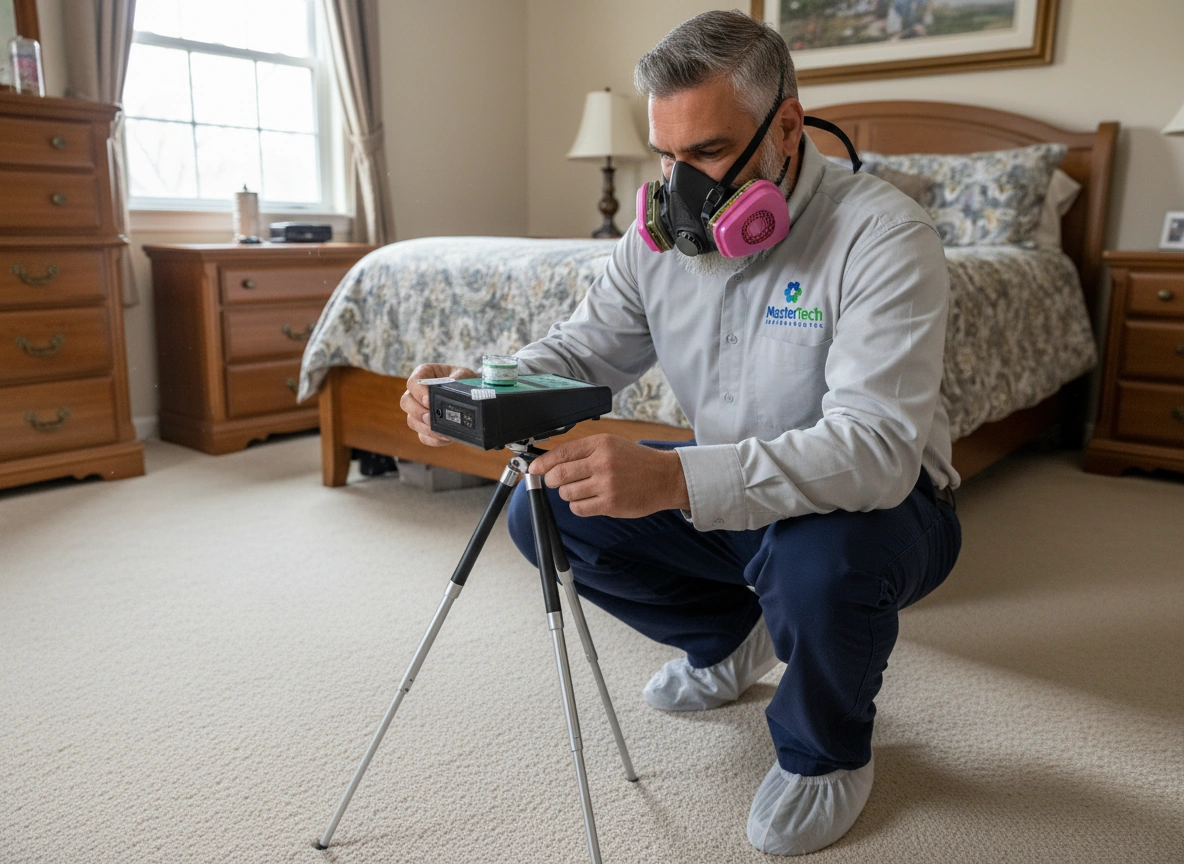
When Does Each Service Apply?
Each step has a clear role. None of them should be skipped or rushed.
When Testing Comes First
Testing helps define the scope of the issue before any corrective work begins. It makes sense when:
- Mold is suspected but not visible
- Documentation is needed for decision-making
- Indoor air quality is a concern
- Verification is needed after remediation
- You need a record for real estate transactions
When Remediation Can Come First
In some cases, remediation does not need to wait for testing. The focus is on correcting what is already obvious, when:
- Mold is clearly visible and extensive
- Materials are already damaged
- The moisture source is known and documented
Even in these cases, post-remediation testing by an independent inspector is strongly recommended to confirm the work was completed correctly.
How Testing and Remediation Work Together
01
Inspection
Identify moisture and suspect areas
02
Testing
Gather supporting data if needed
03
Remediation
Correct the issue with licensed contractor
04
Verification
Post-remediation testing confirms clearance
What's Included
What a Professional Mold Inspection Includes
A thorough inspection goes well beyond just looking for visible mold. Here is what MasterTech York delivers on every inspection:
Visual Inspection
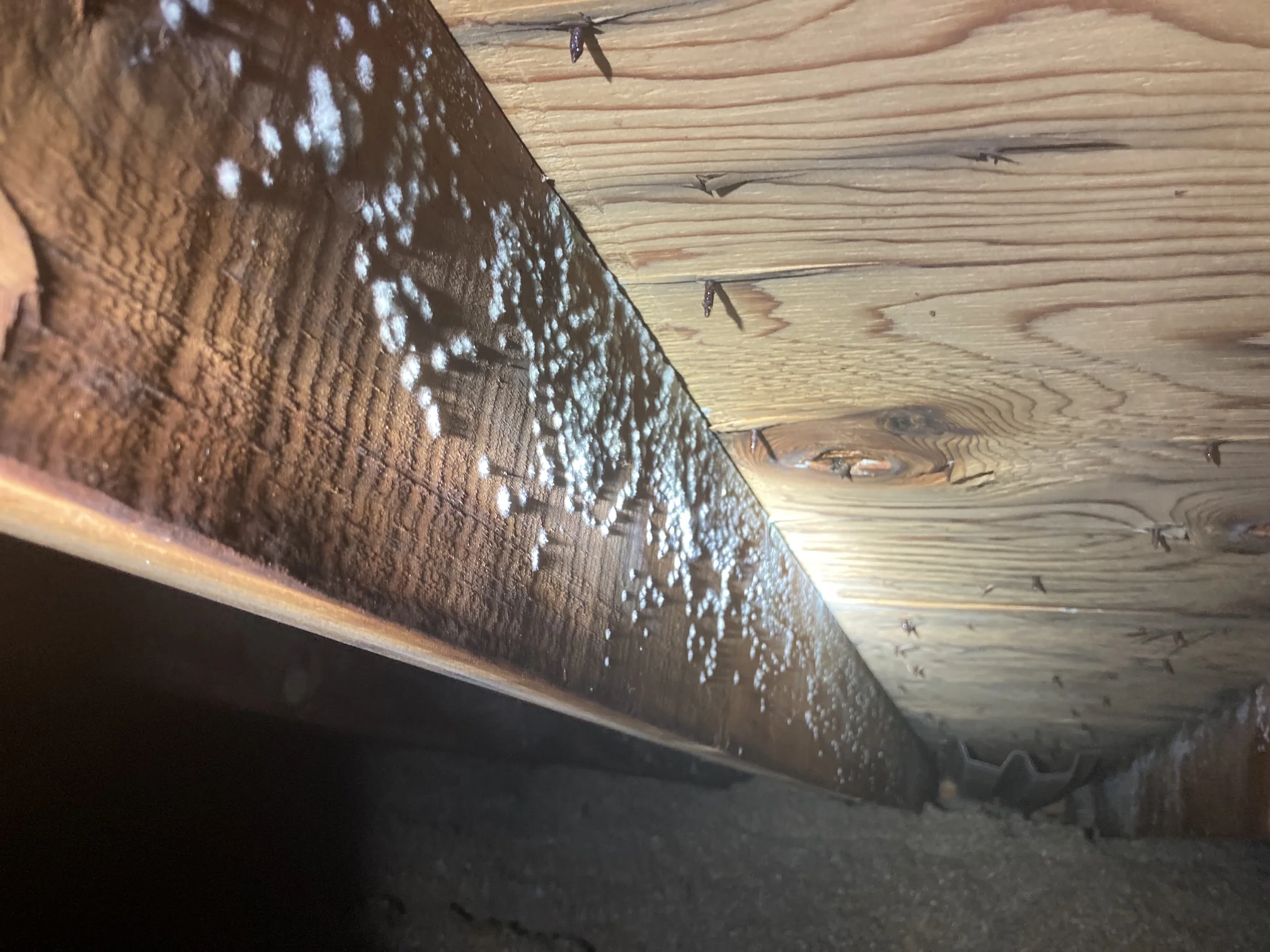
Conduct a visual inspection for visible growth, staining, or water damage throughout the property.
Thermal Imaging
Perform thermal imaging to detect hidden moisture behind walls or ceilings that the eye cannot see.
Moisture Mapping
Use moisture meters to map where leaks or humidity issues are occurring throughout the structure.
Mold Testing and Lab Analysis
Collect air and/or surface samples to measure actual spore levels. Send samples to an accredited laboratory for analysis.
Written Report
Provide a detailed, easy-to-understand report with findings and recommendations.
Consultation
Walk through the inspection findings and test results in plain English so you know exactly what was found.
Clearing the Confusion
Common Myths About Mold Services
There are a few misconceptions that create unnecessary confusion and cost homeowners money. Understanding the purpose of each service helps avoid unnecessary work and frustration.
Testing always means remediation is required
Testing results may show that conditions are normal and no action is needed at all.
Remediation always requires pre-testing
When mold is clearly visible and the moisture source is known, remediation can begin without waiting for lab results.
Lab results alone determine what work is needed
Results must be interpreted in context. An experienced inspector explains what the numbers actually mean for your specific situation.
If You Need Remediation
How to Choose a Remediator
When remediation is needed, choosing the right contractor matters. Here is what to look for:
Get multiple quotes
Do not accept the first number. Compare at least two or three bids.
Ask for clearance testing
A reputable remediator will expect post-remediation verification testing.
Check credentials and references
Ask about training, certifications, and prior job references.
Hire an independent inspector afterward
Always get post-remediation testing from an inspector who has no connection to the remediation company.
Transparent Pricing
How Much Does a Mold Inspection Cost?
Prices vary based on your location. Pricing below shows the typical range for a mold inspection in the United States.
Residential
with up to 4 samples
A residential mold inspection typically costs $250-$450 and includes visual inspection, moisture mapping, thermal imaging, and up to four mold samples (air or surface). Additional mold samples can cost $50-$300 each based on the situation and type of sample, and lab turnaround is usually 3-4 business days.
- Visual inspection included
- Moisture mapping included
- Thermal imaging included
- Up to 4 air or surface samples
- Lab results in 3-4 business days
Commercial
with up to 4 samples
For commercial properties, the cost of a typical mold inspection is $525-$975 and includes visual inspection, moisture mapping, thermal imaging, and up to four mold samples (air or surface). Additional mold samples can cost $50-$300 each based on the situation and type of sample, and lab turnaround is usually 3-4 business days.
- Visual inspection included
- Moisture mapping included
- Thermal imaging included
- Up to 4 air or surface samples
- Lab results in 3-4 business days
Residential pricing is for a typical 2-4 bedroom home. Pricing increases as square footage exceeds 3,000 sq ft.
Related Resources
More guides to help you understand mold and make confident decisions.
When Testing Makes Sense
Not every situation calls for mold testing. Learn when it helps and when it doesn't.
Read moreWhat a Mold Inspection Includes
A detailed breakdown of every step in a professional mold inspection.
Read moreUnderstanding Mold Test Results
Lab reports explained in plain English so you know what the numbers actually mean.
Read moreWhat Happens if Mold is Found
A clear guide to next steps when your inspection uncovers a mold problem.
Read moreHome Inspection vs. Mold Inspection
What buyers need to know about the difference before closing on a property.
Read moreERMI Mold Testing
A specialized dust-based testing method that provides a detailed mold profile of your home.
Read morePeace of Mind Starts With Knowing
Get the Facts. Then Make Smart Decisions.
That is how every inspection is done at MasterTech York. No scare tactics, no confusing jargon. Just straightforward answers so you can make the best decision for your home and family.
17+
Years of Experience
8,000+
Mold Inspections
Hours: Monday - Friday, 9:00am to 5:00pm
Schedule an Inspection
Certified Mold Testing and Inspections in York, PA. We'll get back to you within one business day.