Homeowner Guide
When Mold Testing Makes Sense (And When It Doesn't)
Honest, practical guidance from a certified inspector with 17+ years and 8,000+ mold inspections in York, PA. No scare tactics. No confusing jargon. Just straightforward answers so you can make the best decision for your home and family.
The Real Purpose
Testing Is a Tool, Not a Verdict
Mold testing can be useful, but it's not always necessary. One of the biggest misconceptions is that every situation involving mold automatically needs testing. In reality, there are times when testing adds real clarity, and times when it doesn't change the outcome at all.
Mold testing isn't about proving a home is "safe" or "unsafe." Its real purpose is to gather information that guides a decision.
When testing doesn't help answer a real question or guide a real decision, it usually isn't necessary. This guide explains how to think about it practically.
Mold testing can help you:
Confirm whether mold is present when it's not visible
Understand what types of mold are involved
Compare indoor conditions to outdoor baseline levels
Provide documentation when decisions depend on data
"Testing without inspection is like running lab work without knowing the symptoms. Inspection findings guide where to sample and make results far more meaningful."
Tom Duff, MasterTech York
Situations That Warrant Testing
When Mold Testing Usually Makes Sense
These are the situations where testing provides useful information that a visual inspection alone can't deliver.
Musty odors with no visible source
A persistent musty smell without visible mold often means growth is hidden behind walls, under flooring, or in HVAC systems.
Past water damage or flooding
Previous leaks or floods that were never professionally assessed may have left mold conditions that testing can confirm.
Buying or selling a home
Real estate transactions benefit from objective lab-backed documentation. Testing provides a neutral reference point for all parties.
Health symptoms that improve away from home
If symptoms like congestion, headaches, or fatigue clear up when you leave, indoor air quality testing can help identify the cause.
Landlord or tenant disputes
When multiple parties are involved, lab results provide objective data that opinions alone cannot supply.
Post-remediation verification
After cleanup, clearance testing confirms that mold levels have returned to normal and spaces are safe to reoccupy.
Save Your Money
When Testing Usually Doesn't Add Much Value
Honest guidance means telling you when testing isn't the right first step. Here are the situations where testing often leads to unnecessary cost or confusion.
Mold is clearly visible
If you can see mold growing and the moisture source is known, testing won't change what needs to happen. Fix the moisture, remove the mold.
Active moisture problem exists
Testing before fixing a leak produces predictable results. Address the moisture first, then test once conditions are stable.
Expecting a yes-or-no answer
Mold results require interpretation alongside inspection findings. A single number won't explain everything.
How to Decide if Testing Makes Sense
Ask yourself these three questions before scheduling a test:
What am I trying to confirm or understand?
Will test results actually help guide a decision?
Has the moisture situation been identified?
If testing answers a real question or supports a real decision, it usually makes sense. If it doesn't, focusing on inspection and moisture control is the better first step.
A Note on DIY Kits
DIY test kits and guesswork can only get you so far.
Professional testing with accredited lab analysis gives you answers you can actually act on. Results are interpreted alongside inspection findings, not in isolation.
Talk to a Certified InspectorMethods Explained
Types of Mold Testing and What Each Does
Understanding what each method measures helps you know which type of testing actually fits your situation.
Air Sampling
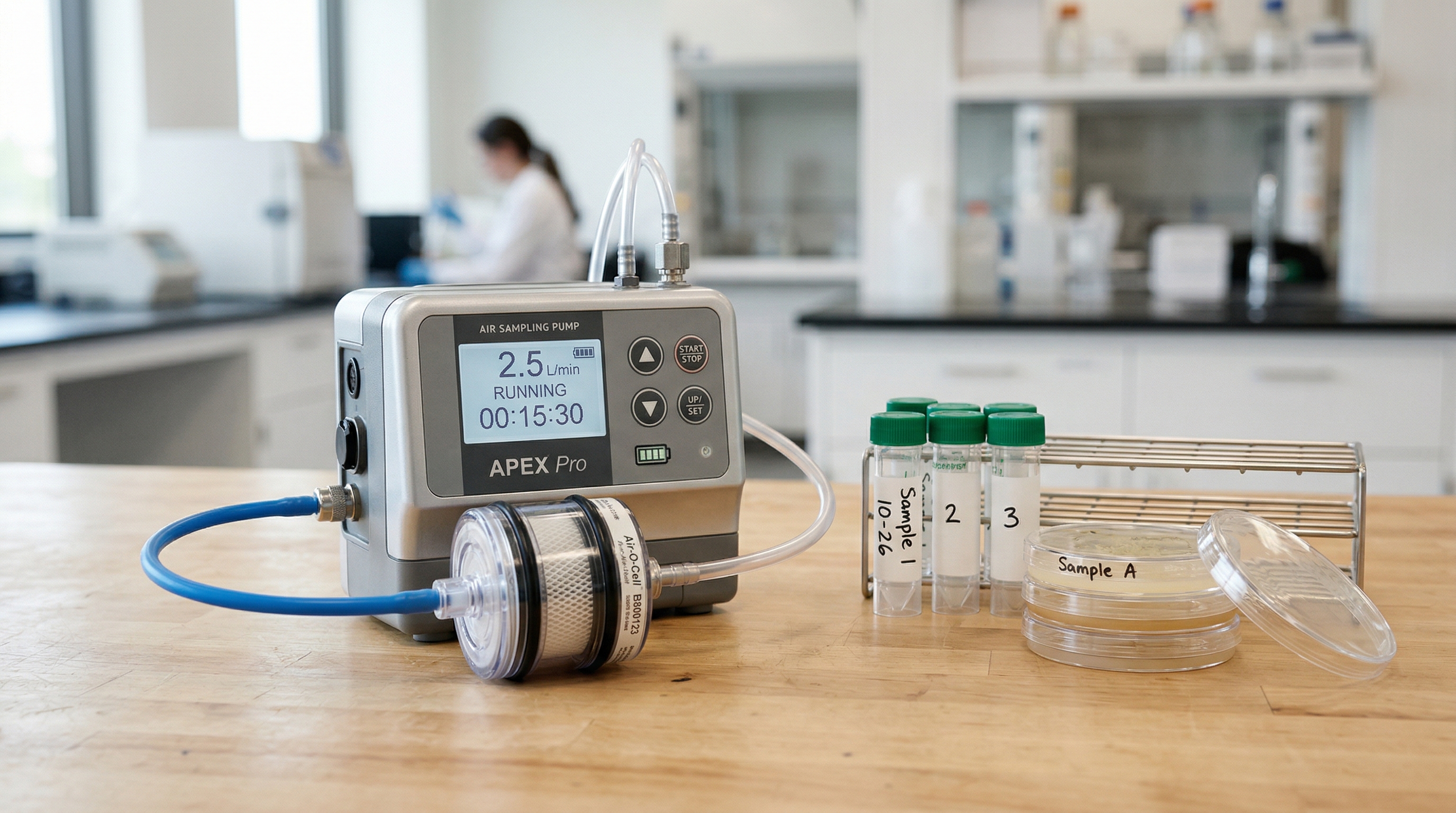
Captures airborne spores to compare indoor levels against outdoor baseline conditions. Most useful when mold is suspected but not visible, and when you want to understand overall indoor air quality.
Surface Sampling
Tape lifts or swabs taken directly from a suspect surface identify what types of mold are present. Helpful when you need to know the species involved or confirm a visible growth.
ERMI Testing
Environmental Relative Moldiness Index testing uses dust samples to give a long-term picture of mold history in a home. Useful for chronic exposure concerns and real estate due diligence.
Thermal Imaging
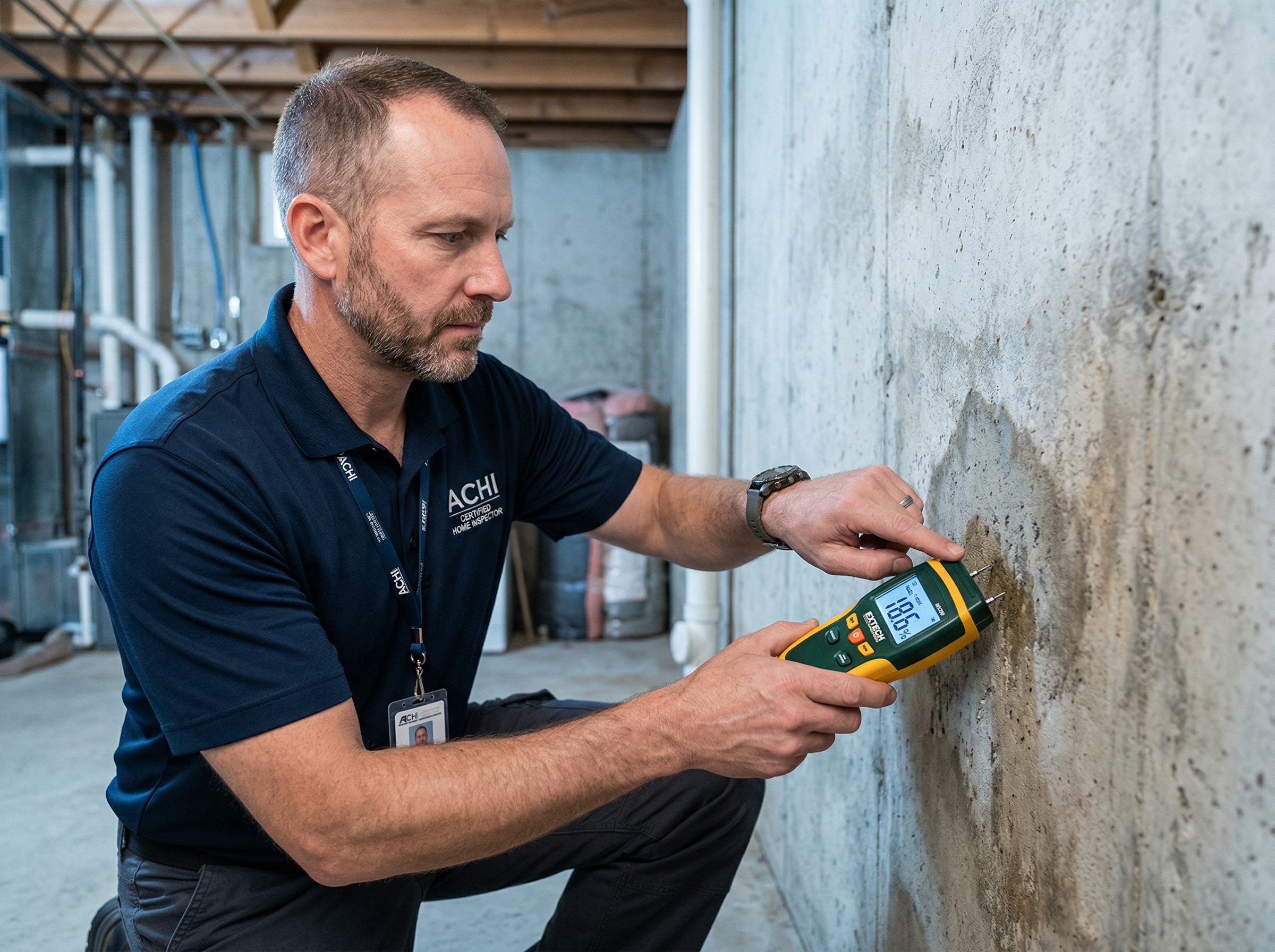
Infrared cameras detect hidden moisture behind walls and ceilings before mold becomes visible. Identifies problem areas that standard visual inspection can miss.
Moisture Mapping
Moisture meters map exactly where elevated readings exist throughout the home. This data guides sampling locations and makes results far more meaningful.
Understanding the Limits of Mold Testing
Results reflect conditions at the time of sampling, not a permanent picture.
Mold levels can change with weather, airflow, and seasonal conditions.
Testing doesn't predict future growth, only current conditions.
Full Scope
What's Included in a Professional Mold Inspection
A proper inspection determines whether testing is even needed, guides where to sample, and makes results far more meaningful. Testing in isolation misses the full picture.
Visual Inspection
Thorough examination for visible growth, staining, and water damage throughout the property.
Thermal Imaging
Infrared scanning to detect hidden moisture behind walls and ceilings before problems escalate.
Moisture Mapping
Moisture meters pinpoint exactly where leaks or humidity issues are occurring.
Lab Analysis
Air and surface samples sent to an accredited laboratory with results in 3-4 business days.
Written Report
Detailed, plain-English report with all findings, photos, and clear recommendations.
Consultation
A full walkthrough of what the results mean and what to do next, in language you can understand.
How Much Does a Mold Inspection Cost?
Prices vary by location. The ranges below reflect typical costs across the United States.
Residential
$250-$450
with up to 4 samples
Includes visual inspection, moisture mapping, thermal imaging, and up to four mold samples. Additional samples cost $50-$300 each. Lab turnaround is typically 3-4 business days.
Commercial
$525-$975
with up to 4 samples
Includes the same comprehensive scope as residential. Additional samples available. Lab turnaround typically 3-4 business days.
Residential pricing is for a typical 2-4 bedroom home. Pricing increases for properties exceeding 3,000 sq ft.
Keep Learning
Related Resources
More plain-English guides to help you understand mold, testing, and what to do next.
What Happens If Mold Is Found in Your Home
Step-by-step guidance on what to expect after a positive mold finding and how to move forward.
Understanding Mold Test Results
Plain-English explanations of what lab numbers actually mean and how to interpret them.
What a Mold Inspection Includes
A detailed look at every step of a professional mold inspection and why each matters.
Mold Testing vs. Mold Remediation
Understanding the difference between testing and cleanup, and why they should never be sold together.
The Goal Is Clarity, Not Alarm
Mold testing should reduce uncertainty, not create fear. When used appropriately, it helps people understand what's going on and decide what to do next with confidence.
The goal isn't to test for the sake of testing. It's to gather useful information that actually helps. No scare tactics. No confusing jargon. Just straightforward answers so you can make the best decision for your home and family.
York, PA
Peace of Mind Starts With Knowing
Get the facts, then make smart decisions. That's how every inspection is done. Call or use the form to get started.
Business Hours
Monday - Friday
9:00am to 5:00pm