Homeowner Guide
Your Mold Test Results, Explained in Plain English
Lab reports are full of scientific names and spore counts. Tom Duff breaks down exactly what the numbers mean, what to watch for, and when to take action.
17+
Years Experience
8,000+
Inspections
Local
York, PA
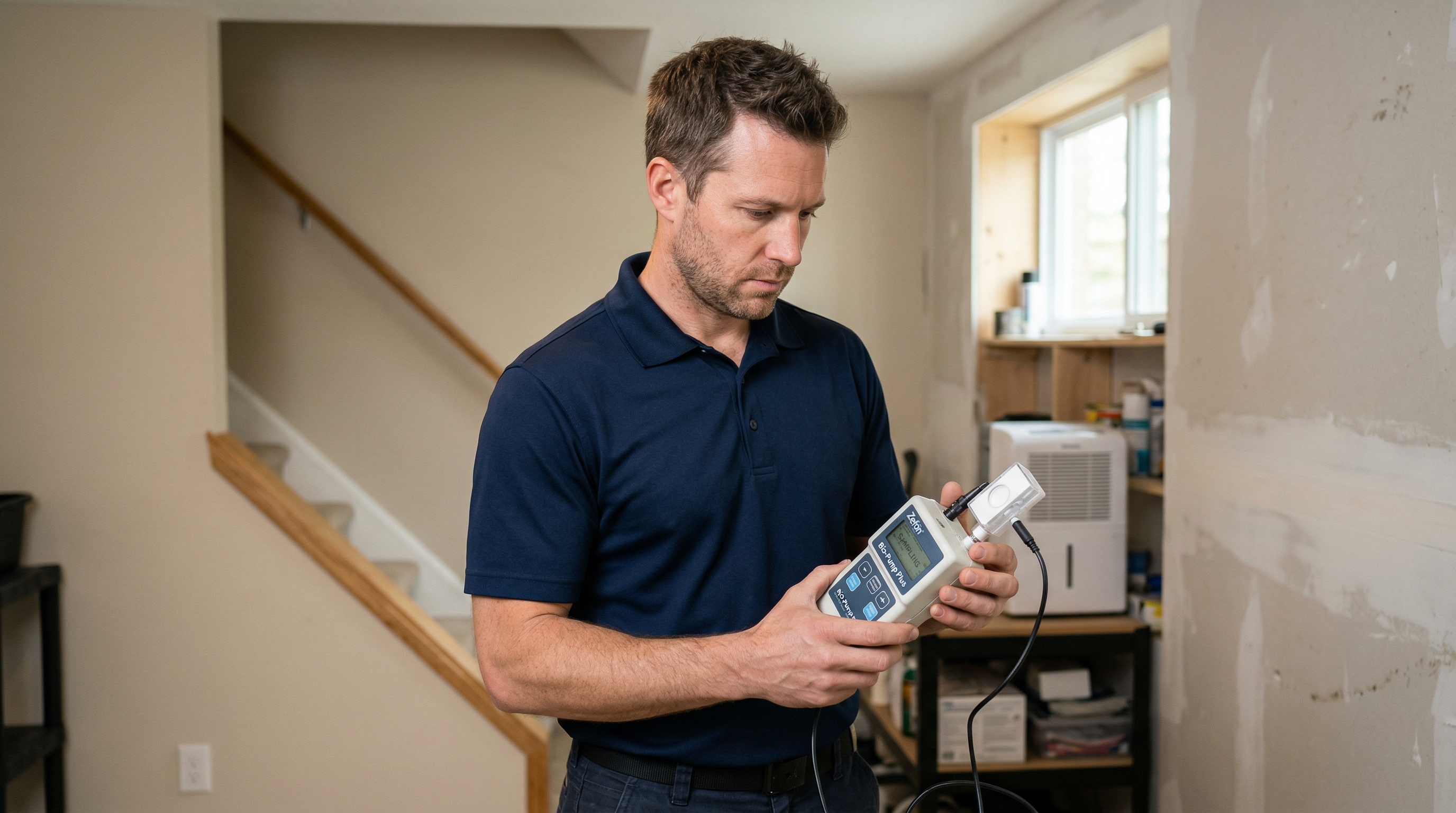
No scare tactics. No confusing jargon. Just straightforward answers.
Why This Guide Exists
Mold Lab Reports Should Not Require a Science Degree
When you receive a mold test report, you will typically see a table full of Latin species names, spore counts, and comparison columns. Without context, it is easy to either panic at large numbers or dismiss legitimate concerns.
The goal of this guide is simple: help you understand what your results actually mean for your home and your family - without the confusion.
We do not sell cleanup services. That means the interpretation you get from MasterTech is unbiased. We have no financial reason to overstate a problem or minimize one.
What this guide covers:
- Key terms defined in plain language
- How to read the indoor vs. outdoor comparison
- Which mold species matter most
- When elevated counts are a real concern
- Common questions about mold test results
Vocabulary
4 Key Terms You Will See in Every Report
Understanding these four concepts will unlock most of what your lab report is telling you.
Spore Count
Reported as spores/m³The number of mold spores detected per cubic meter of air sampled. Higher numbers don't automatically mean danger - context matters.
Background / Outdoor Levels
Your comparison benchmarkA sample taken outside your home at the same time as indoor samples. This is your baseline. Indoor air should generally mirror or stay below outdoor counts.
Species Identification
Not all molds are equalThe lab identifies which types of mold are present. Cladosporium and Penicillium/Aspergillus are common and often found outdoors. Stachybotrys (black mold) is less common but warrants more attention.
Indoor / Outdoor Ratio
The most important comparisonWhen indoor spore counts are significantly higher than outdoor counts - especially for specific species - that suggests an indoor mold source rather than normal outdoor infiltration.
Step by Step
How to Actually Read Your Report
Follow these four steps in order and you will have a clear picture of what your results mean before you even pick up the phone.
Remember: Results reflect conditions at the time of testing only. Seasonal changes, HVAC use, and recent weather can all affect readings.
Check the outdoor sample first
Your report should include an outdoor control sample. This tells you what mold levels were like in the ambient air that day. High outdoor counts (common in fall) can naturally elevate indoor readings.
Compare indoor to outdoor
Look at each species individually. If your indoor Cladosporium count is 800 spores/m3 and outdoor is 1,200, that's actually good news. If indoor is 2,500 and outdoor is 400, that gap deserves attention.
Look at the species mix
Healthy indoor air tends to mirror outdoor air in terms of species types. If your indoor sample shows species that aren't present outdoors - especially Stachybotrys, Chaetomium, or Ulocladium - that's a red flag.
Context over raw numbers
There is no universal safe spore count. A reading of 5,000 spores/m3 of common outdoor species may be fine. A reading of 200 spores/m3 of Stachybotrys indoors is not. Species and context matter far more than the number alone.
Practical Scenarios
What "Elevated" Actually Means
Context determines whether a number is concerning. Here is how two very different situations can produce the same spore count.
Likely Not Concerning
- +Indoor count: 1,800 spores/m3 of Cladosporium
- +Outdoor count: 2,200 spores/m3 of Cladosporium
- +Indoor species mirror outdoor species
- +No water-damage indicator species present
Indoor air is likely just reflecting normal outdoor conditions. No indoor mold source indicated.
Warrants Investigation
- !Indoor count: 1,800 spores/m3 of Penicillium/Aspergillus
- !Outdoor count: 120 spores/m3 of Penicillium/Aspergillus
- !Indoor species differ significantly from outdoor
- !Small amount of Stachybotrys detected indoors
The gap between indoor and outdoor counts, plus the species present, suggests an indoor moisture source that needs investigation.
The MasterTech Difference
We do not just hand you a report. We walk you through exactly what it means and what your options are - in plain English, without the sales pitch.
Common Questions
Questions About Your Results
The questions homeowners ask most often after receiving their mold test report.
Keep Learning
Related Resources
More plain-English guides from MasterTech to help you make informed decisions about your home.
When Mold Testing Makes Sense
Not every situation calls for testing. Learn when it helps and when it doesn't.
What a Mold Inspection Includes
A breakdown of every step in a professional mold inspection from start to finish.
Testing vs. Remediation
Two very different services that are often confused. Here's the distinction.
What Happens If Mold Is Found
Step-by-step: what comes next after a positive mold finding in your home.
Transparent Pricing
How Much Does a Mold Inspection Cost?
Prices vary by location. The ranges below reflect typical costs in the United States.
$250-$450
with up to 4 samples
- Visual inspection, moisture mapping, thermal imaging
- Up to 4 air or surface samples
- Lab turnaround: 3-4 business days
Typical 2-4 bedroom home. Pricing increases for homes over 3,000 sq ft.
$525-$975
with up to 4 samples
- Visual inspection, moisture mapping, thermal imaging
- Up to 4 air or surface samples
- Lab turnaround: 3-4 business days
Additional samples available at $50-$300 each based on type.
Peace of Mind Starts Here
Get the Facts, Then Make Smart Decisions
Worried about musty odors, past water damage, or hidden mold? DIY test kits and guesswork can only get you so far. Get a professional inspection backed by 17+ years of experience.