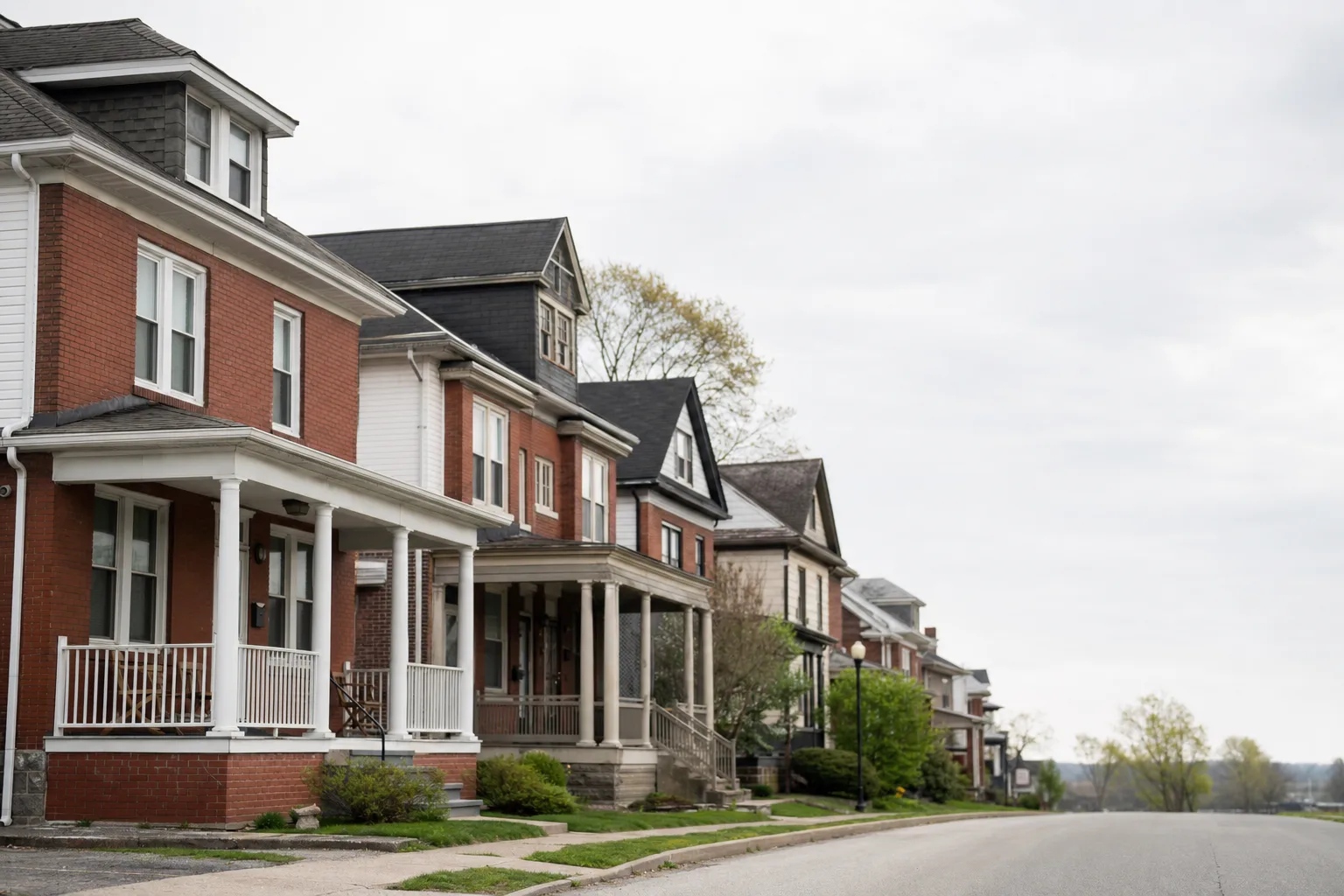
Ask any experienced inspector in York County where mold problems concentrate, and older rental housing sits near the top of the list. The city and its surrounding boroughs are full of homes built before World War II, and many of them have spent decades cycling between owner-occupants and tenants. That history matters. Each layer of ownership, renovation, and occupancy leaves behind conditions that either help a building shed moisture or quietly invite it to accumulate.
Mold is never random. It grows where there is a moisture source, an organic surface to feed on, and time. Older rental properties tend to offer all three more readily than newer, owner-occupied homes. Understanding why is the first step toward protecting a building, its tenants, and an owner’s investment. This article explains the specific reasons age and rental status raise the risk, and how a documented landlord and tenant mold inspection turns uncertainty into a plan.
This is general educational information for property owners, not legal advice. Landlord and tenant obligations depend on the lease, local ordinances, and the facts of each property.
Aging structure
Old foundations, roofs, and plumbing create moisture pathways modern homes are built to avoid.
Moisture load
Deferred repairs and high occupancy add water that older ventilation cannot clear.
Poor airflow
Original design and tight retrofits trap damp air where mold can take hold.
York County’s Housing Stock Is Genuinely Old
York was one of Pennsylvania’s earliest industrial centers, and its neighborhoods reflect that. Row homes, twins, and detached houses from the late 1800s and early 1900s still line streets across the city, and older boroughs like Hanover, Red Lion, and Wrightsville carry similar inventory. These homes were built with the materials and building science of their era: stone and brick foundations, plaster over lath, balloon framing, and almost no intentional moisture control.
None of that is a defect in itself. Many of these homes are structurally sound and have stood for more than a century. But they were designed for a different climate-control reality. There were no bathroom exhaust fans, no continuous vapor barriers, and no dehumidifiers. Homes breathed through gaps and drafts. When later owners tightened them up with new windows, insulation, and sealed basements, they often trapped moisture that used to escape. That mismatch between old structure and modern expectations is a recurring theme in the mold problems common in historic York neighborhood homes.
Foundations and Basements Do Most of the Damage
In older York homes, the basement is the single most common source of mold and musty odor. Stone and rubble foundations are porous by nature. They wick groundwater and allow humidity to migrate through the walls and floor, especially during the humid summers and heavy spring rains the region is known for. A newer poured-concrete foundation with a proper drainage system behaves very differently.
Rental properties make this worse in two ways. First, basements in rentals are frequently used for storage, laundry, or shared tenant access, which means moisture problems are noticed later and reported inconsistently. Second, budget pressure often delays the drainage, grading, and waterproofing work these foundations need. A landlord who has never seen the space during a wet season may not know that seepage is feeding a slow, hidden colony. A focused basement mold inspection is often where the real story of an older rental gets documented.
Crawl spaces present the same risk in a less visible form. Many older York homes sit over unconditioned crawl spaces with exposed soil and incomplete vapor barriers. Warm, humid air condenses on cool framing, and mold grows on joists and subflooring for years before anyone looks. A crawl-space mold inspection frequently uncovers problems that no tenant would ever see from inside the living space.
Deferred Maintenance Is the Rental Multiplier
The biggest difference between an older owner-occupied home and an older rental is often not the building — it is how quickly problems get fixed. Owner-occupants tend to notice a dripping faucet, a stained ceiling, or a running sump pump immediately because they live with it. In a rental, small failures can persist between inspections, through tenant turnover, or simply because no one wants to make the call.
Every one of those small failures is a potential moisture source. A slow supply-line leak under a kitchen sink, a toilet that occasionally overflows, a water heater weeping at the base, a bathroom fan that vents into the attic instead of outside — each adds water to a building that is already predisposed to hold it. Over months, that is exactly the condition mold needs. When drainage around the building is also neglected, the problem compounds; poor grading and clogged gutters are a well-documented driver in how poor drainage around York homes feeds basement mold.
Roofs deserve special mention. Older rentals often carry aging roofs that leak intermittently. Because the attic is rarely entered, water damage and mold can develop undetected until a tenant reports a stain or a smell, by which point the growth is established. It is a pattern common enough that we cover it in detail in roof leaks and attic mold.
Ventilation Was Never Built for Modern Living
An older home with three or four occupants generates a surprising amount of moisture. Showers, cooking, laundry, dishwashing, and even breathing add water vapor to indoor air every day. A modern home manages that with continuous exhaust fans and controlled ventilation. An older rental frequently has none of it — or has fans that were installed cheaply and vent into wall cavities, soffits, or attics rather than to the exterior.
When that humid air has nowhere to go, it condenses on the coolest surfaces it can find: closet walls on the north side of the house, window frames, basement walls, and behind furniture pushed against exterior walls. In winter, this is amplified by cold surfaces and inconsistent heating, which is why some tenants only notice mold during the colder months. Understanding how air moves, and why moisture collects where it does, is the foundation of a home humidity and ventilation inspection.
Forced-air heating systems in older rentals add another wrinkle. Ductwork that runs through damp basements or crawl spaces can pick up mold odors and distribute them throughout the property, making a localized problem feel like a whole-house issue. That mechanism is explained in how HVAC systems spread mold smells through properties.
Layers of Renovation Hide the Evidence
Older rentals rarely have a single, clean construction history. They have been remodeled, subdivided, refinished, and patched over generations. A finished basement rec room, a paneled bedroom, a drop ceiling installed over old plaster — each renovation can seal a moisture problem behind a new surface rather than solve it.
This is why visible cleanliness is not proof that a rental is mold-free. A freshly painted wall can sit directly in front of active growth on the back of drywall. A new laminate floor can trap moisture rising from a damp slab. Inspectors regularly find that the most reassuring-looking rooms hide the oldest problems, because the renovation was cosmetic rather than corrective. When there is no obvious leak but the smell persists, the guide to whether you can have mold without a water leak explains what else may be at work.
Why older rentals carry higher risk
- 1
Aging foundations
Stone and block foundations built decades ago transmit ground moisture into basements that were never designed to stay dry.
- 2
Deferred maintenance
Rental turnover, tight budgets, and absentee owners can delay roof, gutter, and plumbing repairs that keep moisture out.
- 3
Original ventilation
Older homes were built before modern bath fans, insulation, and vapor barriers, so damp air lingers instead of clearing.
- 4
Repeated remodeling
Layers of past renovations often trap old moisture pathways behind newer drywall, paneling, and flooring.
- 5
Occupant patterns
High occupancy, indoor drying, and inconsistent heating in cold months raise humidity in ways single-family owners rarely see.
The Tenant Factor Landlords Underestimate
Occupancy behavior matters more in rentals than most owners expect. Tenants may set thermostats low to save on utilities, dry laundry indoors, keep windows closed for security, or block vents with furniture. None of these are unusual or unreasonable, but each raises indoor humidity in a building that was already struggling to manage it. A property that stayed dry with a careful owner-occupant can develop problems with different living patterns.
There is also a communication gap. A tenant who notices a musty smell or a small spot of growth may assume it is cosmetic, may not want to complain, or may not know it is worth reporting. By the time it becomes obvious enough to escalate, the growth has spread and the moisture source has been active for a while. This delay is precisely why proactive inspection between tenancies is so valuable for older rentals, rather than waiting for a complaint.
For owners, the practical takeaway is that maintaining an older rental is not only about responding to problems. It is about periodically evaluating the building’s moisture condition regardless of whether anyone has complained, because the structure itself carries elevated risk.
Why Independent Testing Protects Both Sides
When a mold concern comes up in a rental, it can quickly become adversarial. A tenant worries about health; a landlord worries about cost and liability. The most productive way through that tension is objective, documented information that neither party wrote to win an argument. Mastertech York performs inspection and testing but does not perform remediation, which removes the incentive to exaggerate a finding into a large cleanup job.
A thorough inspection identifies where growth is present, what moisture condition is feeding it, and what corrective scope is appropriate — separating a small, localized issue from a widespread structural problem. That distinction protects tenants from being dismissed and protects landlords from paying for remediation that a building does not need. To understand what an evaluation involves, owners can review mold inspection and testing services and the difference between testing and cleanup covered in mold testing vs. mold remediation.
Where a moisture source is not obvious — a common situation in complex older rentals — a moisture intrusion inspection can trace the actual path of water before any repair decisions are made. Fixing the surface without fixing the source is how the same rental develops the same mold problem year after year.
Local Conditions Across York County
The pattern holds throughout the region, but the specifics vary by neighborhood. City row homes share walls and stone foundations, so a moisture problem in one unit can affect its neighbor. Older suburban rentals may have finished lower levels concealing foundation seepage. Rural rental properties often include additions, private drainage, and crawl spaces that require a broader exterior review.
Mastertech provides local inspection information for York, Hanover, Red Lion, Dallastown, Dover, and Wrightsville. Each town page outlines the recurring local moisture concerns without assuming every rental has the same problem.
Questions Landlords Should Be Asking
- When was the foundation, roof, and plumbing last evaluated for moisture?
- Do the bathroom and kitchen fans actually vent to the exterior?
- Has the basement or crawl space been inspected during a wet season?
- Are there any past repairs that were cosmetic rather than corrective?
- How quickly do tenants report leaks, smells, or visible spots?
- Is there a moisture source that would keep any cleanup from lasting?
- Would independent documentation help resolve a current tenant concern fairly?
These questions move a rental owner from reacting to complaints toward managing the building’s underlying risk — which is almost always cheaper and less stressful than an emergency response after growth has spread.
Age Raises the Risk, But It Is Manageable
Older rental properties in York, PA are not doomed to mold. But their age, construction, maintenance history, and occupancy patterns genuinely raise the odds, and pretending otherwise leads to expensive surprises. The buildings that stay healthy are the ones whose owners understand where moisture wants to collect and address the source before it becomes a colony.
Documentation is the practical starting point. An independent inspection tells an owner what is actually happening inside the walls, basement, attic, and crawl space, distinguishes a minor issue from a serious one, and gives both landlord and tenant a shared set of facts. For an older York rental, that clarity is the difference between a small, planned repair and a drawn-out dispute over a problem that was hidden for years.