Case Study · Pre-Listing Real Estate Inspection
Real Estate Mold Inspection of a York County Townhouse
A vacant, three-story townhouse in York County, Pennsylvania was being prepared for sale when a general home inspector flagged a possible mold concern. Mastertech performed a limited mold inspection of the third-floor hallway bathroom and kitchen, focused on documenting the concern with objective information. The result was an independent written report the parties could use during the transaction.
This case study is based on conditions encountered during a York County mold inspection. The client’s name, address and other identifying details have been omitted or changed to protect their privacy.
Inspection Overview
Project Facts at a Glance
General Location
York County, Pennsylvania
Property Type
Three-story end-of-row townhouse
Occupancy
Vacant at the time of inspection
Reason for Inspection
Preparing the property for sale
Original Concern
Possible mold in the third-floor hallway bathroom
Additional Area Evaluated
Kitchen sink cabinet
Inspection Type
Limited mold inspection
Services Used
Visual assessment, moisture testing, thermal imaging when applicable, documentation and targeted sampling
Report Turnaround
One to two business days
Inspector
Tom Duff, Certified Mold Inspector
Independence
Mastertech does not sell mold remediation
Background
Why the Inspection Was Requested
While the townhouse was being prepared for sale, a general home inspector observed a possible mold-related condition in the third-floor hallway bathroom. That is a common moment for a specialist to get involved. A home inspection is broad by design, and a good inspector will note something worth a closer look rather than guess at what it is.
When a concern like this comes up mid-transaction, a seller, buyer or real-estate agent often wants a clearer answer. Nobody wants a vague note on a report to turn into a stalled deal. Bringing in an independent mold inspector gives everyone the same objective information to work from, instead of assumptions.
It helps to keep four different things separate, because they are frequently confused:
- A general home inspection looks at the whole property at a high level and flags concerns.
- A professional mold inspection is a focused, diagnostic evaluation of moisture and suspected growth.
- Mold sampling collects a surface or air sample for laboratory analysis when it will actually help answer the question.
- A remediation estimate is a proposal to perform and price cleanup work — something a remediation contractor provides.
Mastertech’s role in this project was to evaluate and document the concern. We do not sell cleanup services, so there is no incentive to make a small finding sound like a large one. The client received an independent read on the conditions, which is exactly what an evaluation is supposed to provide.
Scope
Scope and Limitations
This was a limited mold inspection. By agreement with the client, it covered only three specific areas:
- The third-floor hallway bathroom
- The kitchen
- The accessible area inside the kitchen sink cabinet
The rest of the townhouse was not included in the agreed inspection scope. That distinction matters. A limited inspection is a deliberate, focused evaluation, and its value depends on being clear about what it did and did not cover.
Mold inspections are visual and non-destructive unless the property owner separately authorizes invasive investigation. In this case, no wall openings or destructive access were requested, so the evaluation was based on accessible surfaces, readings and documentation.
Because the inspection was limited and non-destructive, it does not imply that uninspected or concealed areas were confirmed to be free of mold. Areas outside the agreed scope were simply not evaluated.
Bathroom
Third-Floor Bathroom Assessment
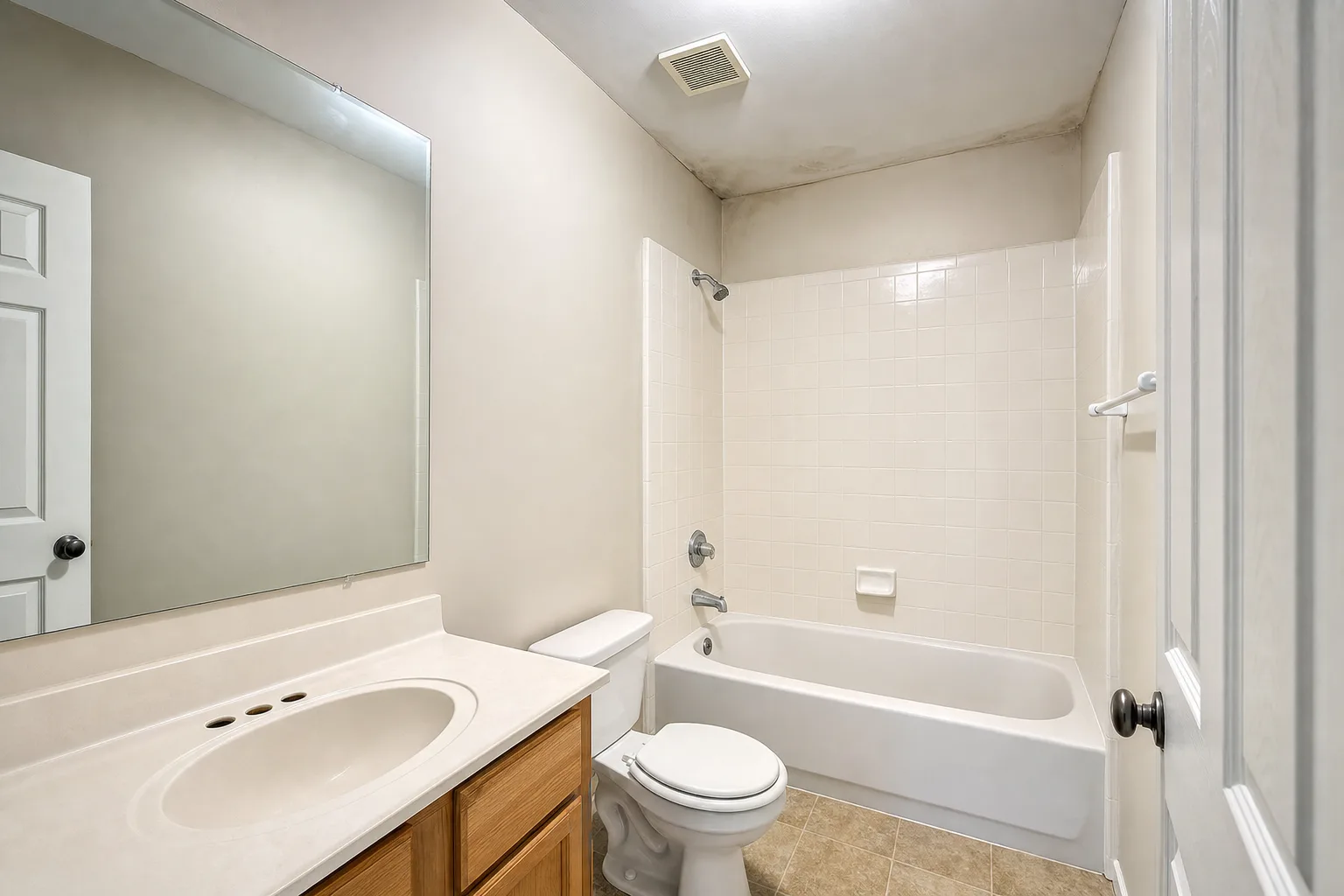
The hallway bathroom was reviewed in a systematic way. That included a visual review of the walls, ceiling, trim, fixtures and ventilation, along with a closer look around the tub and shower area where moisture tends to collect.
Plumbing penetrations were examined for signs of past or present leakage, and the exhaust fan and available ventilation were reviewed as a factor in how well the room dries out after use. Moisture readings were taken from suspect building materials so the visual observations could be paired with actual measurements. Thermal imaging was used as a supporting tool where appropriate to look for temperature patterns that can accompany moisture.
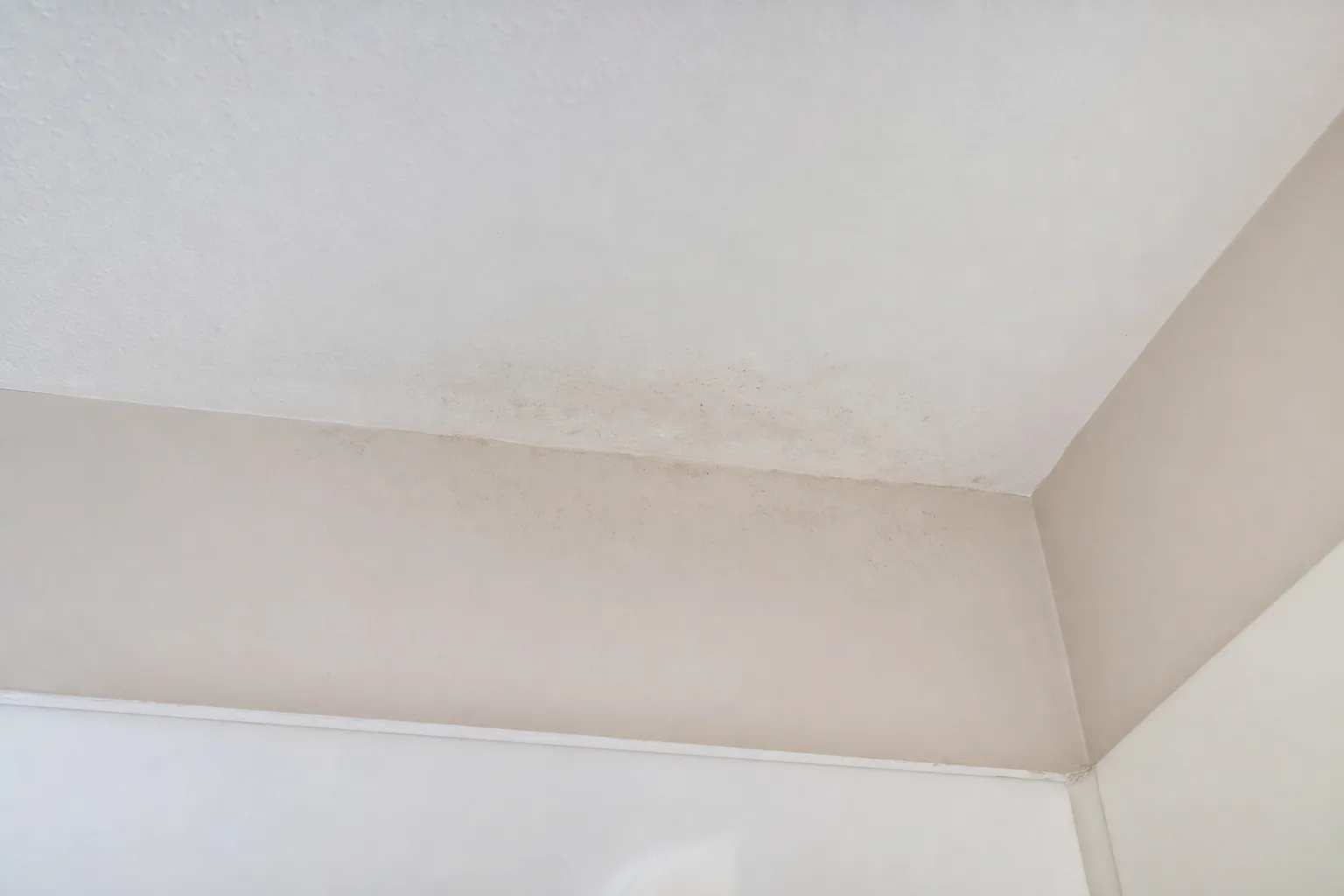
The documented condition was a localized area of discoloration and suspected surface growth — the kind of thing that gets noticed during a home inspection, not a widespread problem. An important point for buyers and sellers: discoloration cannot always be identified as mold by appearance alone. Staining, soap residue, hard-water deposits, prior repairs and actual growth can all look similar in a photo.
That is exactly why a targeted surface sample can be more appropriate than assuming the material was mold. A sample lets a laboratory characterize what is present, rather than relying on a visual guess. When a small, well-chosen sample can answer the question, it is a more responsible step than either overreacting or waving it off.
Kitchen
Kitchen Sink Cabinet Finding
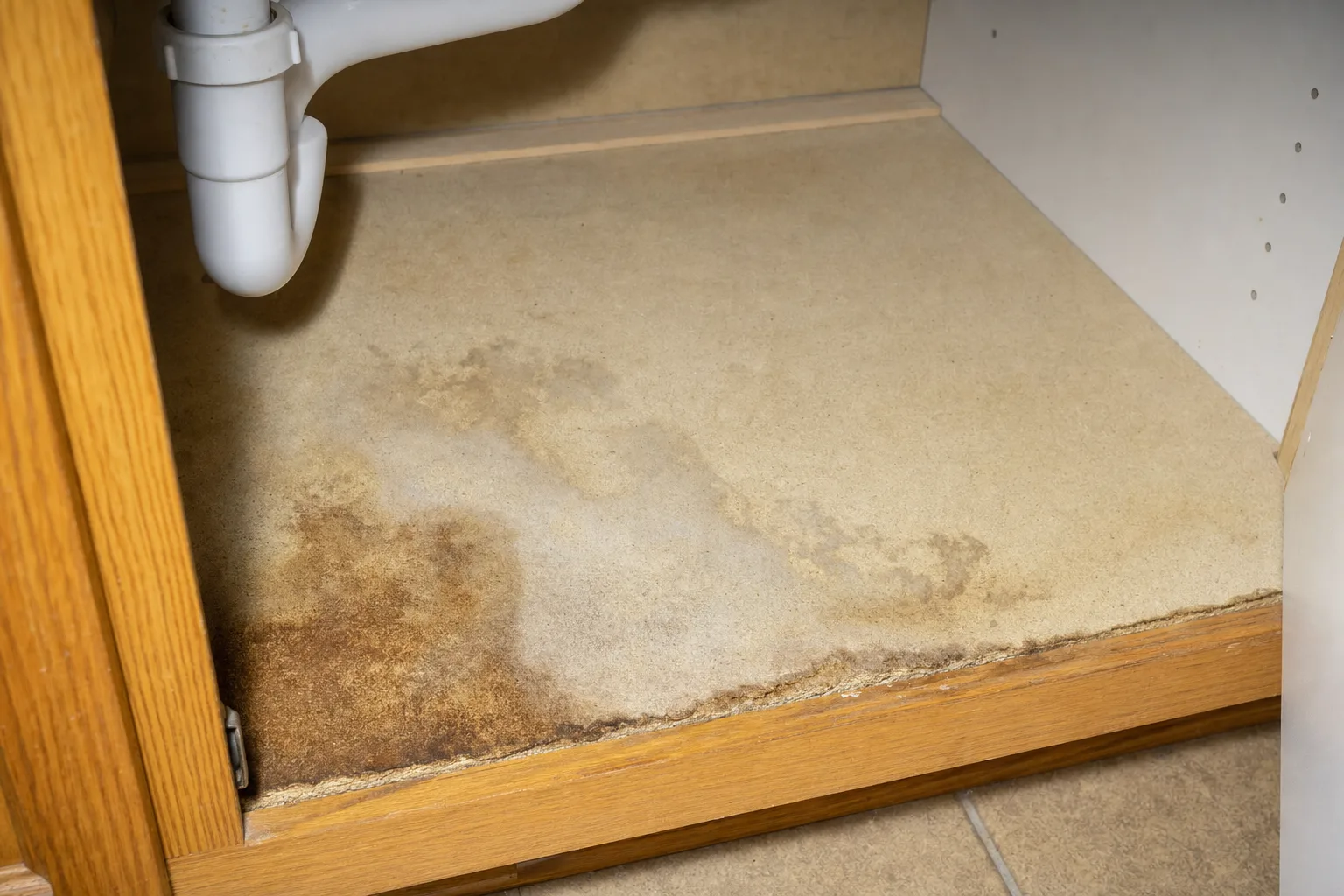
Inside the kitchen sink cabinet, staining consistent with possible fungal growth was observed on the lower shelf. Under-sink cabinets are a routine place to check because they combine plumbing, an enclosed space and materials that hold moisture readily.
- The shelf was dry when tested at the time of inspection.
- No active plumbing leak was confirmed during the inspection.
- Historical leakage, condensation or a previous sink-related moisture event could not be ruled out.
- The plumbing supply lines, drain connections and cabinet base were visually reviewed.
- The finding was documented in the written report.
Dry conditions at the time of a single visit are useful, but they do not tell the whole story. A material that is dry today does not identify when the staining developed, and it does not confirm that a previous moisture problem never occurred. Staining is essentially a record of past conditions, and a one-time reading is a snapshot.
The staining was documented as an accessible-surface finding on the lower shelf. This case study does not claim that hidden mold was discovered behind the cabinet. The area behind and beneath the cabinet is concealed and was not opened or inspected as part of this limited, non-destructive evaluation.
Methods
Inspection Tools and Methods
A consistent process keeps findings objective. Here is what the evaluation drew on — and, just as importantly, what each tool can and cannot tell you.
Detailed Visual Inspection
A careful, non-destructive review of accessible surfaces, fixtures, plumbing penetrations and ventilation in the requested areas.
Professional Moisture Measurements
Meter readings help evaluate the condition of building materials, but they must be interpreted based on the material, location and surrounding conditions.
Relative Humidity and Temperature
Ambient readings provide context for whether conditions favor condensation and moisture accumulation.
Thermal Imaging Support
Infrared imaging detects temperature differences and possible moisture patterns. It does not directly see or prove the presence of mold.
Targeted Sampling When Justified
A surface or air sample may be collected when it will actually help answer the question, rather than assuming discoloration is mold.
Written Findings and Photos
Independent, plain-language documentation with recommendations that can be shared with the appropriate parties in the transaction.
Thermal imaging detects temperature differences and possible moisture patterns. It does not directly see or prove the presence of mold, so it is used to guide where to look rather than to draw conclusions on its own.
Moisture meters help evaluate material conditions, but a number only means something in context. Readings must be interpreted based on the material, location and the conditions around it.
Sampling
Mold Sampling and Laboratory Analysis
When sampling is warranted, the goal is to answer a specific question rather than to generate numbers for their own sake. In a case like this, a targeted surface sample can be collected from the bathroom’s suspect discoloration, where the visual review and moisture information suggest it will be informative.
- A targeted surface sample is collected from the suspect discoloration rather than sampling at random.
- Samples are submitted to an independent accredited laboratory for analysis.
- Laboratory findings are interpreted together with the visual inspection and moisture information.
- The laboratory result is only one part of the final conclusion, not the whole answer.
Representative example only:a surface sample from a discolored area might report the presence of common indoor fungal types at a level consistent with a localized surface finding. Any figures used here are illustrative for explaining the process — they are not an actual client laboratory result, and no client sample identification, spore counts or specific species from this project are published.
A responsible report keeps the language measured. There is no such thing as a “toxic mold” conclusion drawn from a single surface sample, and a laboratory result does not prove that a building caused any person’s symptoms or illness. The point of sampling is to characterize what is present so the finding can be understood and acted on appropriately.
Findings
Inspection Findings
The findings are grouped so it is clear what was observed, what was measured and what fell outside the scope. Finding a localized concern does not automatically mean the entire property has a widespread mold problem.
Suspected or confirmed fungal growth
- Localized discoloration in the third-floor bathroom consistent with possible surface fungal growth.
- Staining on the lower shelf of the kitchen sink cabinet consistent with possible fungal growth.
Moisture conditions at the time of inspection
- The kitchen cabinet shelf was dry when tested.
- Moisture readings in the bathroom were documented and interpreted against surrounding materials.
Evidence of possible historical moisture
- Staining patterns suggested a past moisture event that could not be dated from a single visit.
- No active plumbing leak was confirmed during the inspection.
Ventilation concerns
- The bathroom exhaust fan and available ventilation were reviewed as a contributing factor to condensation.
Areas requiring corrective action
- Follow-up evaluation and cleaning of the documented conditions using appropriate procedures.
Areas outside the inspection scope
- The remainder of the townhouse and any concealed cavities were not part of the agreed limited inspection.
Recommendations
Practical Recommendations
Recommendations are matched to the findings. For a localized concern, the sensible steps are focused and proportionate — not an exaggerated whole-house remediation scope.
- Correct any plumbing or ventilation problem contributing to moisture in the affected areas.
- Clean or remove affected materials using appropriate mold-remediation procedures rather than painting over them.
- Avoid simply painting over suspected fungal growth, which can hide the condition without addressing it.
- Maintain appropriate indoor humidity to reduce the chance of condensation-driven growth.
- Confirm the bathroom exhaust fan vents to the outdoors rather than into a wall cavity or attic.
- Replace a damaged cabinet shelf when cleaning is not appropriate for the material.
- Have concealed areas evaluated if additional evidence develops during repairs.
- Complete post-remediation verification when remediation is performed to confirm the work.
- Retain the inspection and any laboratory documentation for the real-estate transaction.
Real Estate Value
Value During the Real-Estate Transaction
The purpose of an inspection like this is to give the people involved in the sale better information to work from. In this project, that meant:
Mastertech provides inspection and documentation only. We do not negotiate real-estate contracts, determine property value or provide legal advice.
Documentation
Inspection Photograph Gallery
Representative photographs of the conditions documented during this limited inspection.
Third-floor bathroom overview
Third-floor hallway bathroom evaluated during a real estate mold inspection in a York County townhouse.
Suspect bathroom staining
Localized discoloration evaluated during a bathroom mold inspection in a York County townhouse.
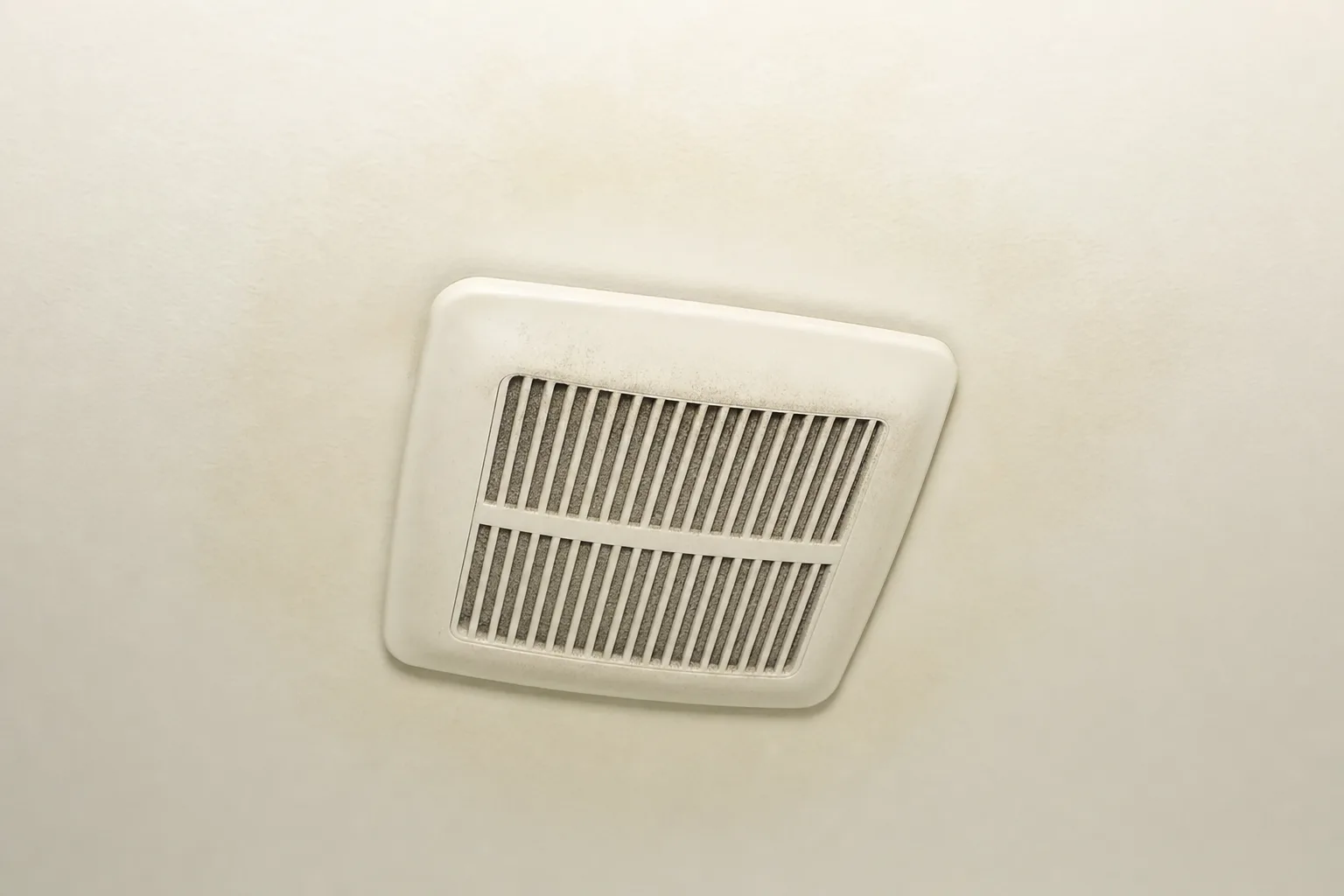
Ventilation and exhaust-fan area
Bathroom ceiling and exhaust vent evaluated for condensation and moisture conditions.
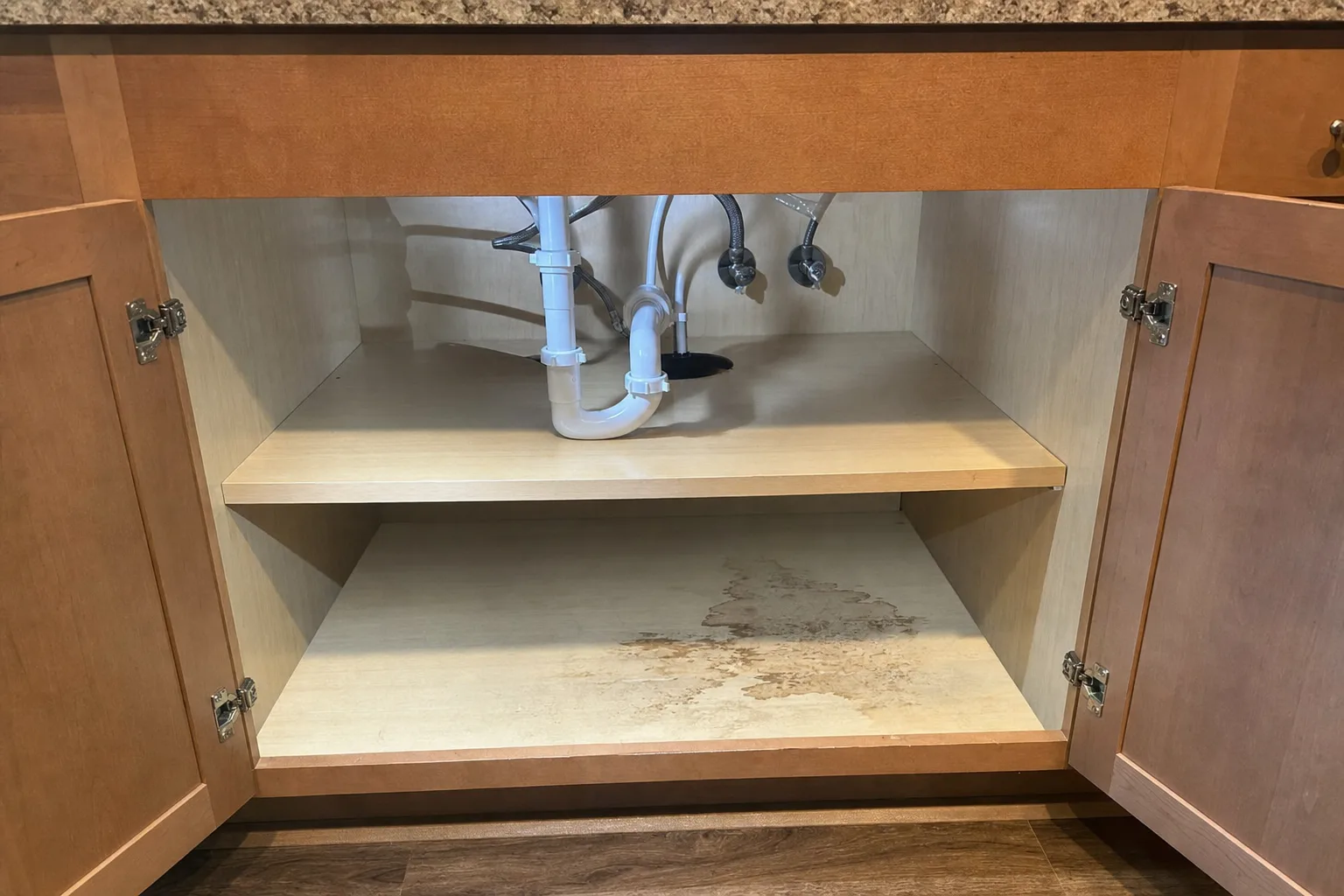
Kitchen sink cabinet
Open kitchen sink cabinet with plumbing lines reviewed during a York Pennsylvania mold inspection.
Lower cabinet shelf staining
Staining on the lower shelf inside a kitchen sink cabinet during a York Pennsylvania mold inspection.
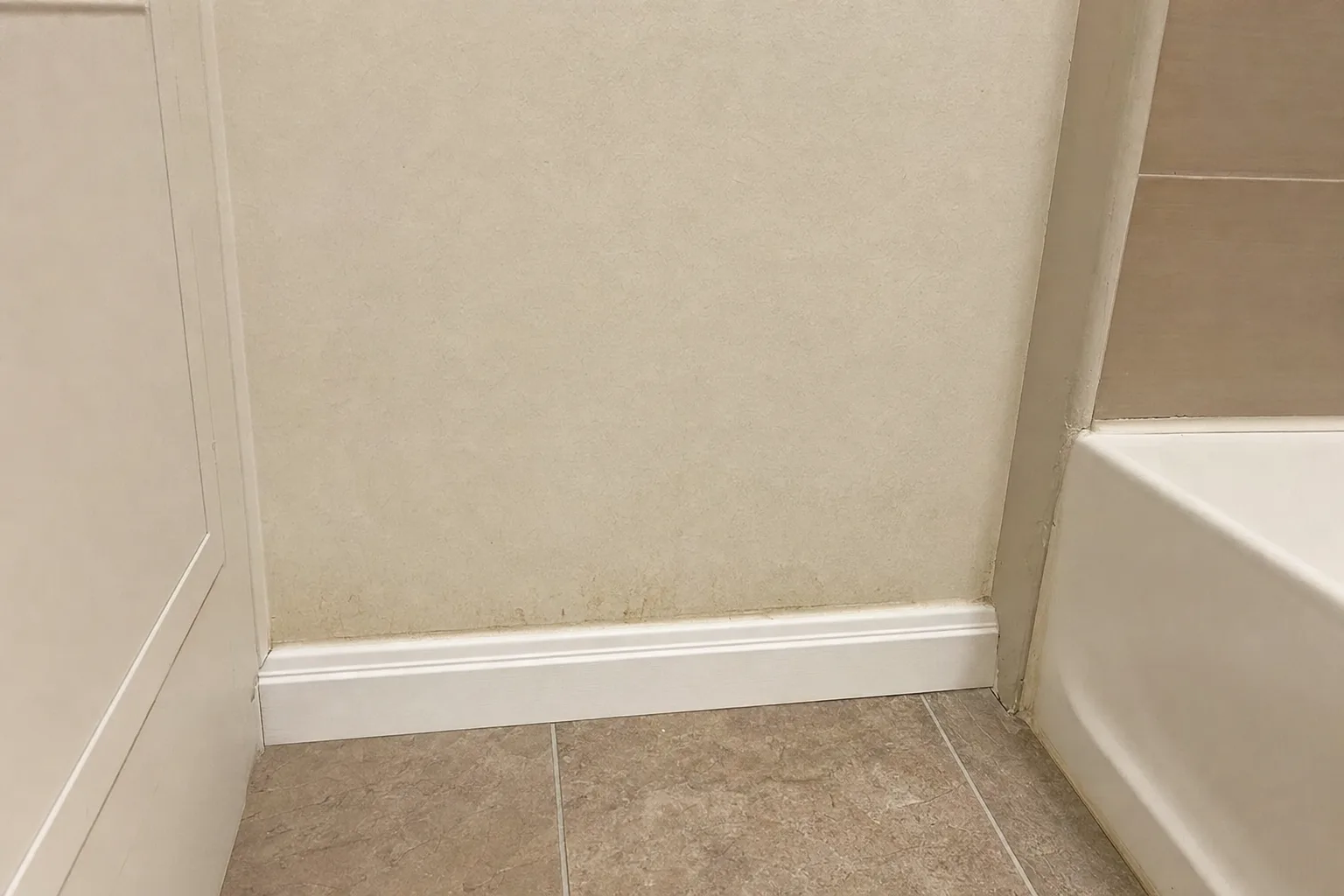
Moisture assessment area
Lower bathroom wall near the tub where moisture readings were taken during the inspection.
Takeaways
What This Case Demonstrates
Related Services
Explore the inspection and testing services that support this kind of evaluation across York County.
Real-estate mold inspections in York
How our inspection and testing process fits buyer, seller and agent timelines in York County.
Learn moreProfessional mold inspection and testing
Our full residential and commercial mold inspection and accredited laboratory analysis.
Learn moreMold inspections and testing in York, PA
Local mold inspection and testing services for York and surrounding communities.
Learn moreBathroom mold inspections
Focused evaluation of bathrooms where condensation, plumbing and ventilation issues are common.
Learn moreIndependent post-remediation verification
Confirming that remediation work was completed properly when cleanup is performed.
Learn moreSchedule an Inspection
Need a Mold Inspection Before Buying or Selling?
Mastertech Environmental provides independent mold inspections and testing for buyers, sellers, agents and property owners throughout York and surrounding York County communities. When a concern comes up during a transaction, we help you replace guesswork with documented, objective information.
- One- to two-business-day laboratory turnaround
- Written inspection report you can share with the appropriate parties
- Independent findings based on what we actually observe and measure
- No remediation sales, so there is no incentive to overstate a finding
Schedule an Inspection
Call or text 717-676-3574 or fill out the form below to get started.