York, PA — Basement Mold Resource
Basement Mold in York, PA: What You Need to Know
Basement mold is one of the most common problems in York County homes. Here's how to identify it, understand why it happens, and what to do next.
Understanding the Problem
Why Basements Are Prone to Mold
Basements naturally deal with moisture more than most areas of a home. They're below ground, surrounded by soil, and built with materials that can absorb and hold moisture. Even when there's no flooding or visible leak, moisture can still be present.
Most basement mold problems don't come from one major event. They usually develop slowly, from everyday conditions that don't seem concerning at first. The York County climate - with its humid summers and temperature swings - makes this worse than many homeowners expect.
Common contributors include:
- Humidity that stays elevated for long periods
- Limited air movement compared to upper levels
- Cool surfaces that attract condensation
- Concrete and masonry that slowly release moisture
- Small water issues that build up over time
Inspections Completed
8,000+
Visual Identification
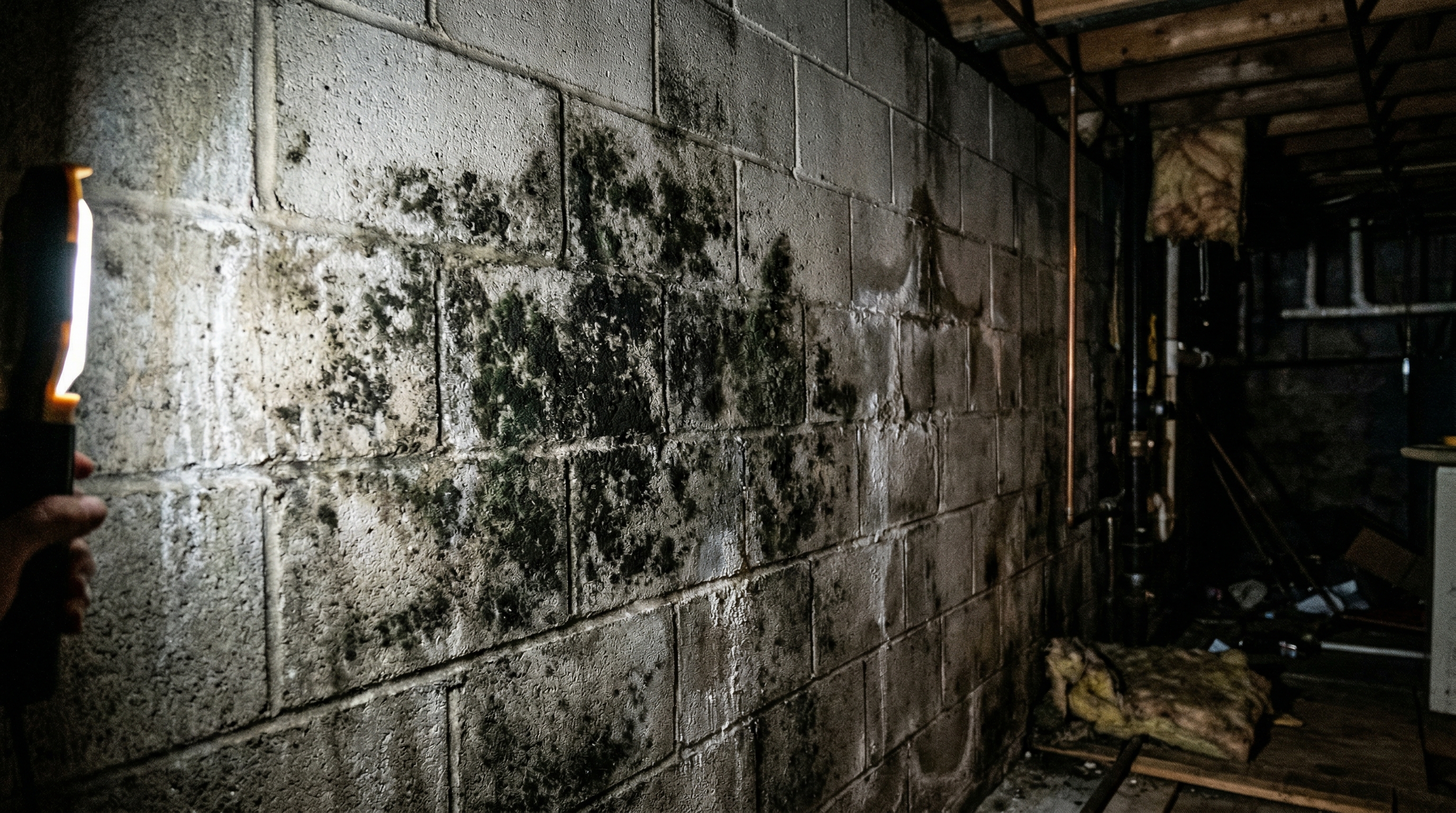
What Mold Typically Looks Like in a Basement
Basement mold doesn't always look obvious. It's not always thick or fuzzy, and it's not always black. In many cases, it shows up as staining, spotting, or discoloration that blends into walls or floors.
Because basements aren't always used daily, mold can sit unnoticed for a long time. By the time it's spotted, it's usually been there longer than most people expect.
You'll often see it on:
- Concrete or block foundation walls
- Drywall or finished wall systems
- Wood framing near exterior walls
- Areas blocked by storage or furniture
A note on musty odors
A musty smell is often one of the first signs that something isn't right. Odors often appear before visible mold because air moves throughout the house. Smells from the basement can travel upstairs, especially when the house is closed up or humidity is higher. A smell alone doesn't automatically mean a serious issue - but it's a signal that conditions deserve attention.
Warning Signs to Watch For
Common Patterns
Common Basement Mold Scenarios
These don't happen overnight. They develop gradually and often quietly - which is why so many homeowners are caught off guard.
Foundation Moisture
Moisture moves through foundation walls and keeps surfaces damp, providing constant fuel for mold growth.
Condensation Issues
Cool basement walls collect moisture from humid air without being noticed, creating ideal mold conditions.
Hidden Seepage
Small cracks or slow water entry feed moisture without visible damage - often missed until mold appears.
Stagnant Air
Poor circulation allows damp air to linger instead of drying out, raising humidity to mold-friendly levels.
Temperature Swings
Warm air meeting cool surfaces creates recurring condensation cycles that keep materials perpetually damp.
Persistent Dampness
Moisture enters the space faster than it can dry out, creating conditions where mold thrives year-round.
8,000+
Mold Inspections
17+
Years Experience
100%
Inspection Only
Local
York, PA Based
Why It Matters
Why Professional Testing Beats Guesswork
"DIY test kits and guesswork can only get you so far."
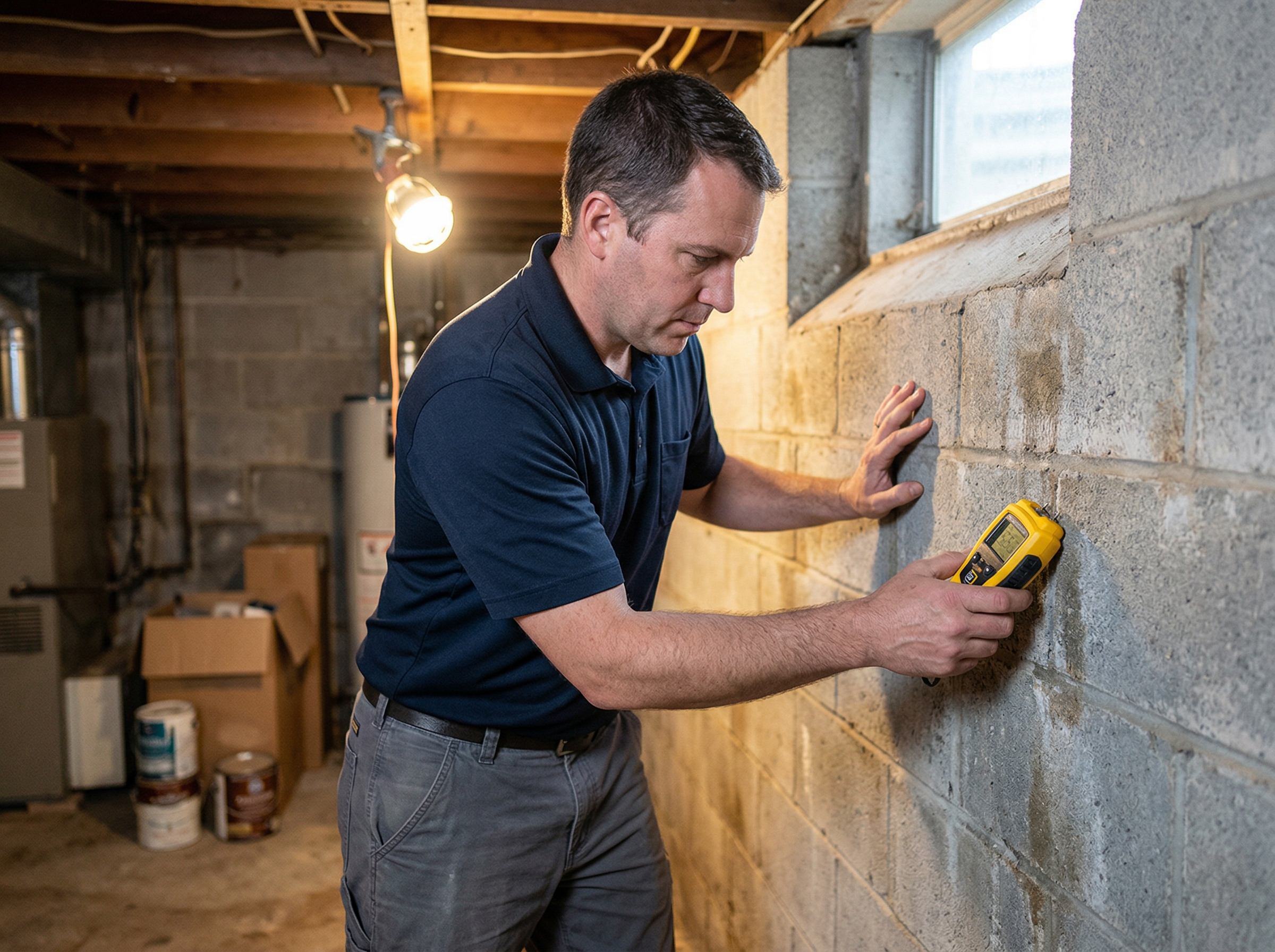
Hidden mold behind walls, under floors, and inside framing cavities won't show up on a surface swab or a home kit. Professional inspection uses moisture mapping and thermal imaging to find the source - not just the symptom.
Moisture Mapping
Pinpoints where moisture is entering and accumulating - even behind finished walls.
Lab Analysis
Air and surface samples sent to an accredited lab identify the species and concentration accurately.
Detailed Report
A written report documents findings in plain English so you know exactly what's happening.
No Conflict of Interest
We don't sell cleanup services. Our only job is to give you accurate, unbiased information.
The Mastertech Approach
"We don't sell cleanup services."
No scare tactics. No confusing jargon. Just straightforward answers so you can make the best decision for your home and family.
Our inspection-only model means you get honest, unbiased findings - not a sales pitch for remediation. You get the facts, then you decide.
Serving York County Since
2007
Why Basement Mold Often Comes Back
When mold comes back, it's frustrating. In most cases, it returns because the basement conditions stayed the same. Mold doesn't need standing water - it just needs moisture that sticks around. Cleaning alone usually doesn't last if moisture conditions don't change.
That's why airflow, humidity control, and water management matter just as much as surface treatment - and why identifying the source is the critical first step.
The Bigger Picture
How Basement Mold Affects the Rest of Your Home
Even though basements feel separate, they're still connected to the rest of the house. Air naturally moves upward, and pressure differences allow basement conditions to influence other areas.
That doesn't automatically mean health issues - but it does explain why musty odors, humidity changes, or comfort problems upstairs often start in the basement. Understanding that connection helps explain why basement conditions matter beyond the space itself.
Prevention: What Actually Helps Long-Term
Preventing basement mold usually comes down to managing moisture consistently, not reacting once mold appears. There's no one solution that works for every basement - construction, usage, and environment all play a role.
When It's Worth Taking a Closer Look
If a basement has ongoing odors, visible mold, surfaces that never fully dry, or unexplained comfort changes in the home, it's usually worth understanding what's actually happening instead of guessing. Clarity helps homeowners make calm, informed decisions.
The goal isn't panic. It's understanding.
Get Clear Answers
Peace of Mind Starts With Knowing
Get the facts, then make smart decisions - that's how every inspection works. Reach out and we'll talk through what you're seeing and what makes sense next.
"Basement mold rarely shows up overnight."
It develops quietly, over time, and often without obvious warning signs. With good information and a clear understanding of moisture behavior, most situations are manageable - and many are preventable. Sometimes the biggest relief comes from simply knowing what's really going on.
Schedule an Inspection
Mon - Fri, 9am to 5pm. We'll respond within one business day.
Certified Mold Testing and Inspections in York, PA
Worried About Musty Odors or Hidden Mold?
Local, Trusted. We don't sell cleanup services - just clear, unbiased answers you can act on.